
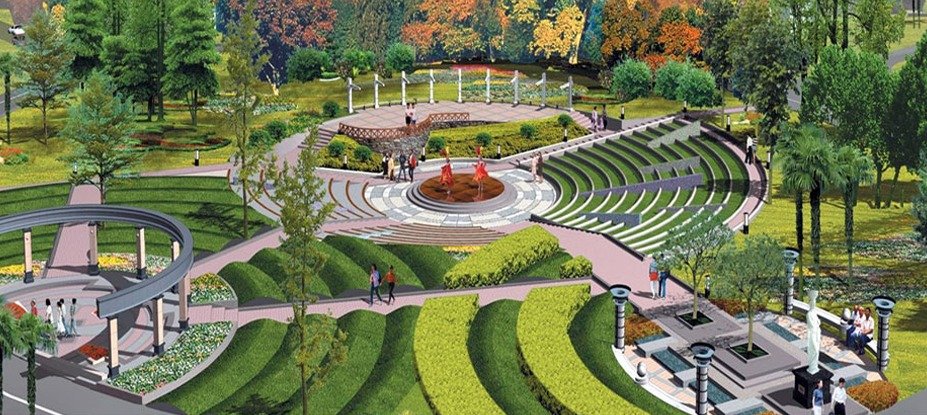
Public infrastructure landscaping means designing, planting, and caring for green areas around public assets — think parks around civic buildings, planted walkways outside hospitals, green belts near schools, tree-lined public plazas, and decorative plantings around public utilities and open spaces. It’s aimed at making public places more welcoming, healthier, and environmentally sustainable.
Here’s how it breaks down:
• Site Design & Planning: Selecting plant layouts and landscape architecture that suit the public space and traffic flow. Planto Agro’s horticulturists and designers plan the planting scheme based on climate, soil, and aesthetic goals.
• Planting & Installation: Installation of lawns, flowering plants, ornamental shrubs, shade trees, and hardscape elements (like walkways or stone features) to create an attractive public landscape.
• Maintenance & Care: Regular watering, pruning, mowing, and plant health care so that public greenery stays lush and appealing through all seasons.
• Environmental & Urban Benefits: Green infrastructure in public areas improves air quality, reduces noise pollution, helps cool local climates, supports stormwater management, and enhances biodiversity — making cities more livable and resilient.